




 |
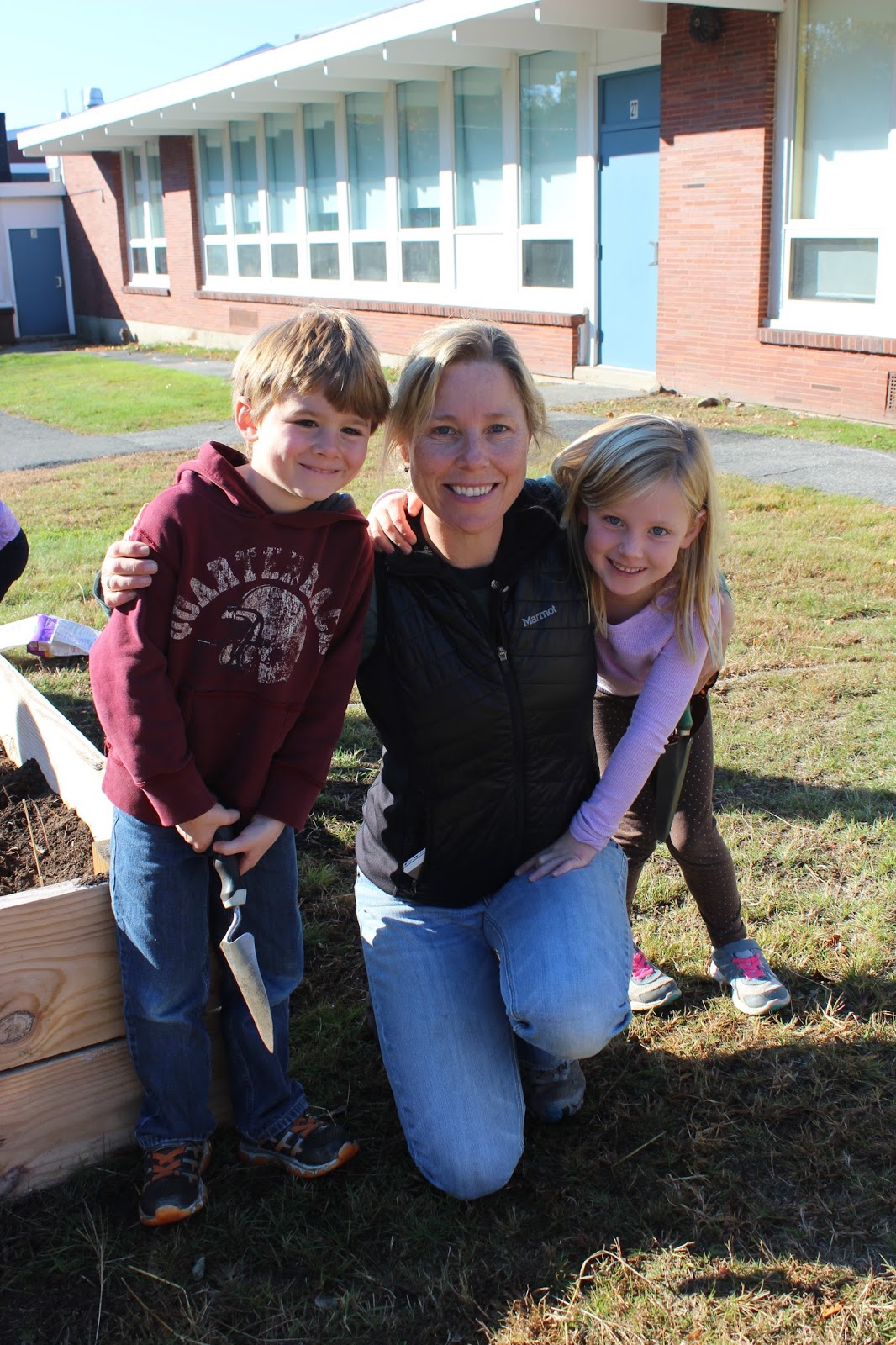
| We have our planting tools ready to go |
|
| We have our planting tools ready to go |
 |
| a perfect day to sketch our fall oak tree |


 |
| The children loved making leaf rubbings |


 |
| The children enjoyed finding the many shades of brown and red needed for their art work |


 |
| Kyle noticed this spot...did a branch used to be there? |


 |
| Using dice, cubes and ten frames to build numbers |

 |
| Using ten frames to help us visualize number amounts |

 |
| Using ten frames to build larger numbers and count by tens and ones left over |

 |
| Helen and Monet had so much fun counting mini pigs, yes Helen has one on her head... |
 |
| How many items were in your tray? |
|
November
2015 c.greene@hwschools.net
|
|
Language Arts and science connection: We have been reading many beautiful fiction and
nonfiction books about trees as we continue our science unit on trees
throughout the seasons. This month children will learn about trees becoming
dormant in winter and understand that a dormant tree is resting but still
very much alive. The children are creating their own books and art work to
show what they are learning about trees. Three of my favorite tree books to use with
the children are listed here: Tree, Discovery Starts With a Single Word
(DK
eye know book), Leaf Jumpers by
Carole Gerber and Sky Tree by Thomas Locker.
Genre Study in Reader’s
Workshop!
We
are beginning to look closely at the features of fiction and nonfiction
picture books as we study 3 topics including pumpkins, owls, and trees. The
chidlren will be exposed to a variety of picture book pairs. For example, The
Pumkins Book by Gail Gibbons is nonfiction and the book Too Many
Pumkins by Linda White is fiction. As we compare these 2 genres the
children will be able to help create a class chart about the unique features
we notice in each text type. I am so excited to begin this work with the children
and I have collected a great selection of books for us to get started with as
we look at books on the topics listed above. Look for pictures on our blog in
the weeks to come!
Fundations: Unit 3We are learning the digraphs of (sh, ch, th, wh and ck) digrpahs are made of 2 letters and they have 1 sound. They get one finger tap when tapping out words. So the word (fish) would have three finger taps. Please see your Fundations parent packet for this unit’s trick word cards. |
|
Math:
This
unit builds an understanding of the concept that 10 ones make a ten. The
children will begin to view 2 digit numbers as tens and ones, and understand
that 43 is made of 4 tens and
3
ones. This understanding of place value will help children to develop the
“counting on” strategy as the children become more efficient in addition and
subtraction work. Students will use ten frames, and base ten blocks to
strengthen their understanding of the concept of tens and ones. Dimes and
pennies will also be grouped to represent 2 digit numbers. For example 43 can
be made with 4 dimes and 3 pennies. You can practice at home by having
pennies and dimes to be sorted out and counted. Making coin combination such
as 4 dimes and 3 pennies and listening to your child count 10, 20, 30, 40,
41, 42, 43.
|
|
Social
Studies:
This
month the children are learning about American holidays including Veteran’s
Day and Thanksgiving as part of our study of America symbols and holidays. The
children will create their own “thankful trees” as we talk about things we
are thankful for. The book “Feeling Thankful” by Shelley Rotner and Sheila
Kelly is a favorite and is perfect for introducing the idea of being
thankful.
Sincerely, Mrs. Greene
|
 |
| Symbols of fall for nature sketching |
 |
| Our own tree drawings |
 |
| Who's living in this tree? |

 |
| Billy made our fox |
 |
| Drew is making a cute little mouse |
 |
| We all worked together to decide where to place our animals |
 |
| Our Life in a Tree mural |
 |
| Some books we read as we learned |
